Specifications of Toyota Prius Prime 1.8 (122 HP) Plug-in hybrid Automatic
General characteristics of Toyota Prius Prime 1.8 (122 HP) Plug-in hybrid Automatic
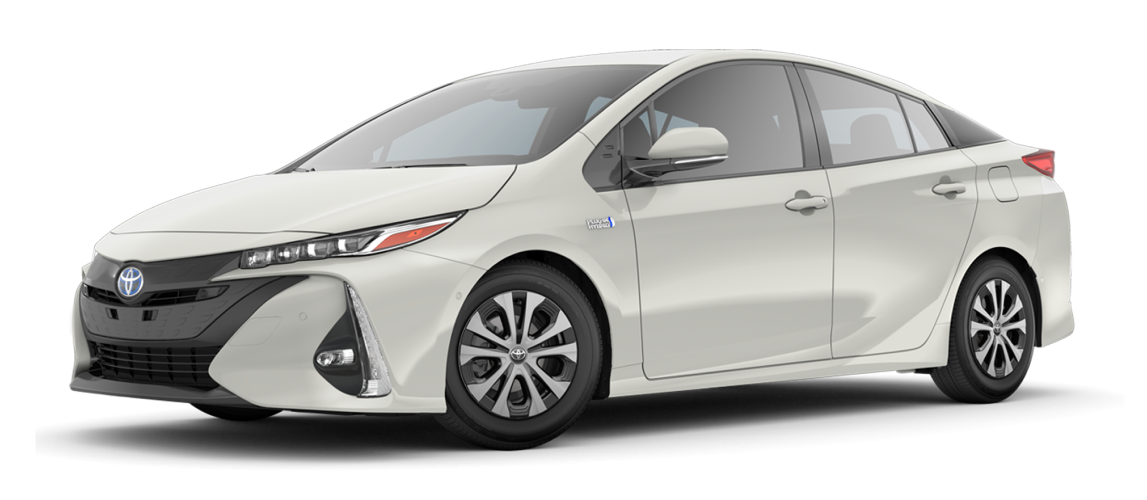
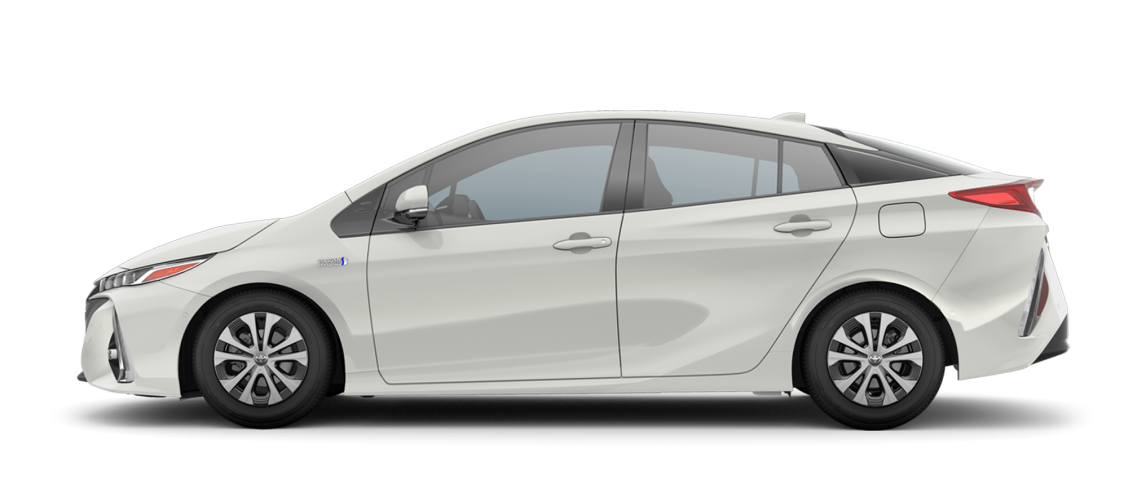
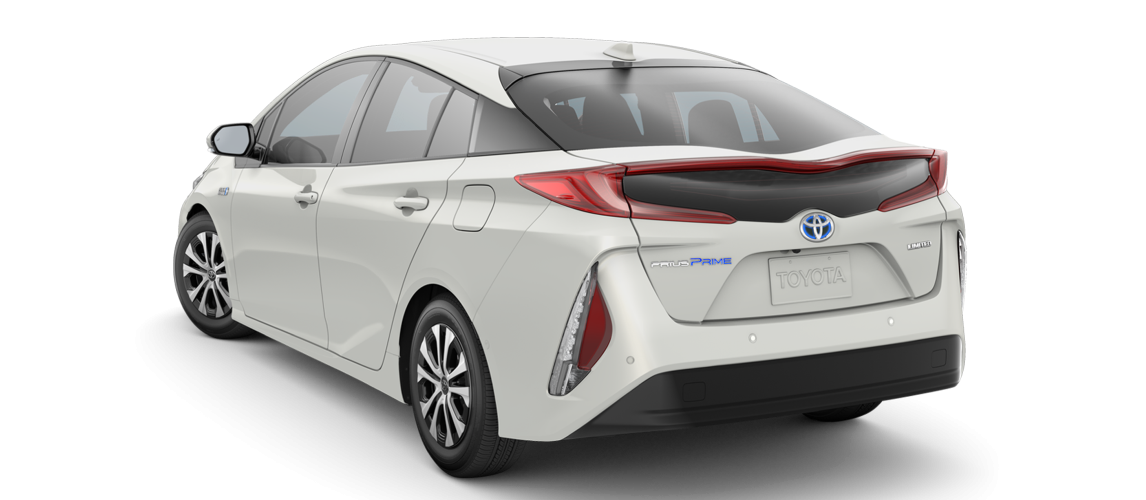
Considering it falls into the midsize sedan category, the Prius is surprisingly light on its feet, with a maximum curb weight of just 3,375 pounds. Only hatch-style competitors manage to easily beat this, as proven by the much heavier Honda Clarity, at over 4,000 lbs. Overall dimensions comprise a length of 182.9 inches, a width of 69.3 inches, and a height of 57.9 inches. The wheelbase is a bit short for the segment, at only 106.3 inches.
Performance is not a word readily associated with the Prius, unless it is directly preceded by middling or underwhelming. No, this is not a car meant to get you excited about driving. Instead, the excitement comes at the end of the month, when you realize just how much you saved on your monthly traveling expenses.
But, getting down to brass tacks, the hybrid comes outfitted with a combination powertrain, pairing a small-displacement four-pot with an electric motor to develop 121 combined horsepower. And, while the Toyota may be light in comparison to other hybrids, it is still a relatively heavy vehicle. All of this means that coaxing this engine to launch the car from 0-60 mph requires a lot of time - around ten seconds, to be more specific - according to independent testing. But the top speed is not too disappointing at an estimated 112 mph, if you have enough road to reach it. If this feels like something you can't live with, first check the fuel economy section; it may just convince you to take one for a test drive.
The Toyota Prius Prime plug-in is powered by a 1.8-liter four-cylinder engine working in conjunction with an electric motor. This is not as impressive as it sounds, though, with the gas engine producing 95 hp and 105 lb-ft of torque on its own, and the total system output working out to just 121 hp. This is directed, via a CVT transmission, to the front wheels only. On the plus side, this CVT is innocuous when compared to many on rival machines, and it helps to keep acceleration smooth, if not quick.
Still, 121 hp can only do so much. Where rivals are putting out around 200 hp - think the Sonata or Clarity - the Prime toddles along with half as much. This means that, despite a cross-country maximum range, it feels more at home in the city, where not too much will be asked of it. Merging or passing on the highway requires a great deal of effort, so you will have to engage the main generator. But, if your commute to and from the office is less than 25 miles, you won't even need to put the combustion engine to work at all.
This is really the bread and butter of any Toyota Prius Prime review. Where the hybrid may fail to dazzle on a number of fronts, gas mileage is certainly not one of them. Since there are quite literally no mechanical changes between trim levels, and weight varies by a mere 10 lbs, each variant boasts the same impressive figures. Across the city/highway/combined cycles, the Japanese money-saver returns an EPA-estimated 55/53/54 mpg. And, since it is a plug-in, we also need to examine the performance of the electrical components. The battery only stores 8.8 kWh, so the EV-only range is not that impressive at 25 miles, but the combined electro-gas mileage of 133 MPGe is significantly higher than other PHEV rivals, like the aforementioned Clarity or Sonata hybrids, which return 110 MPGe and 52 mpg combined in comparison, respectively. When you add all these numbers together, and take into account the 11.4-gallon tank, the Toyota can travel for up to 640 miles before making a pit stop, which is truly remarkable. Charging the battery takes around five and a half hours on a regular household outlet, or two hours on a 240V outlet.
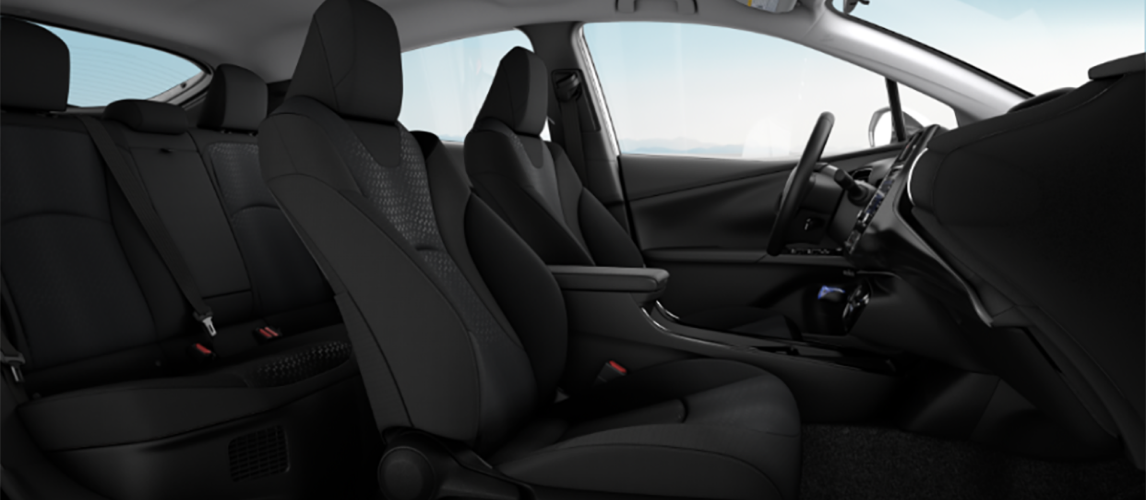
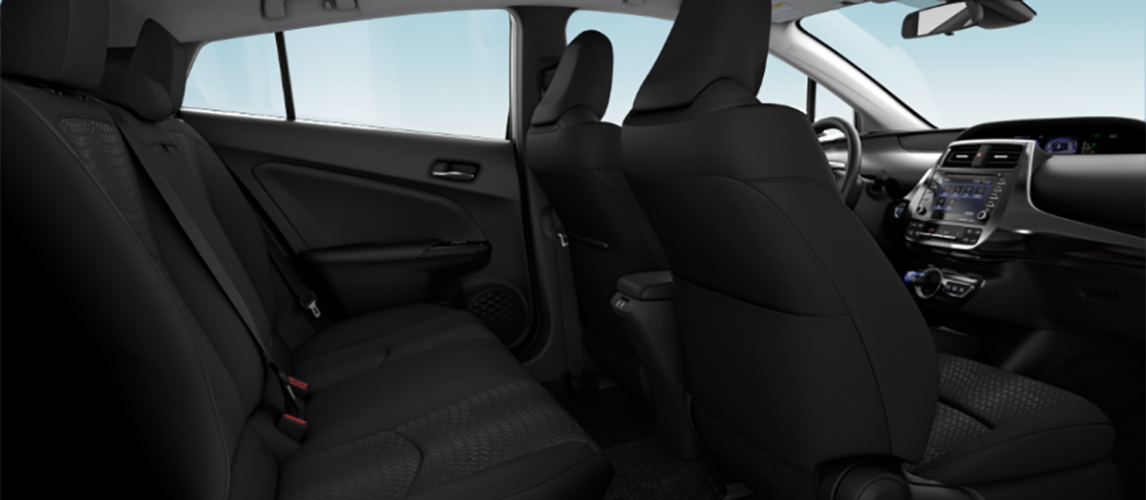
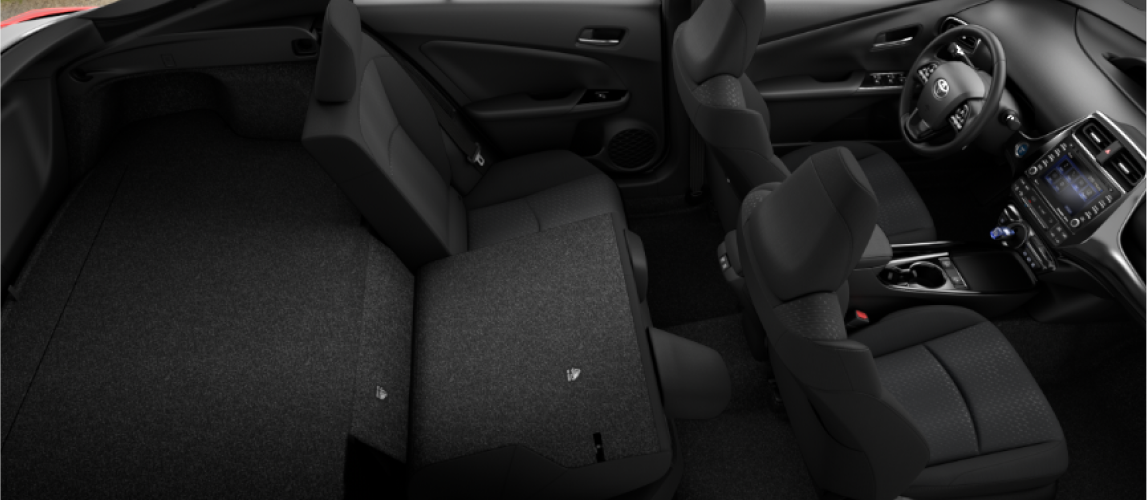
The cabin is a tad on the cramped side, at least if you are seated in the back. This is probably due to the slightly shorter-than-average wheelbase. Still, those up front have no reason to complain, with head- and legroom to spare, unless they are well over six-feet tall. The back row is technically designed to seat three, but that is only applicable in the case of small children. The sloping roof of the hatch cuts into headroom, and legroom is at a premium if those in the front do not pull forward a bit. When all is said and done, though, a family of four should fit comfortably in the midsize without too much fuss - just be sure to make pit stops to stretch now and then if you plan to make use of the full 640 miles of cruising range.
True to its budget nature, the Prius does not offer a lot of choice in terms of materials or colors when dressing the interior. The fabrics are much the same as you would find in any cheaper car out there. On the base model LE, simple cloth upholsters the seats. The upper trims get slightly plusher SofTex leatherette, which is both better to look at and to sit on. Regardless of the textiles chosen, the same color options are offered - Black or Moonstone. Beyond that, you do not get to customize the dash or other surfaces, with hard plastics covering most areas, while softer-touch materials cover the high-traffic areas. Trimming the dash and instruments is faux aluminum, which does not look nearly as classy as the designers probably thought it would.