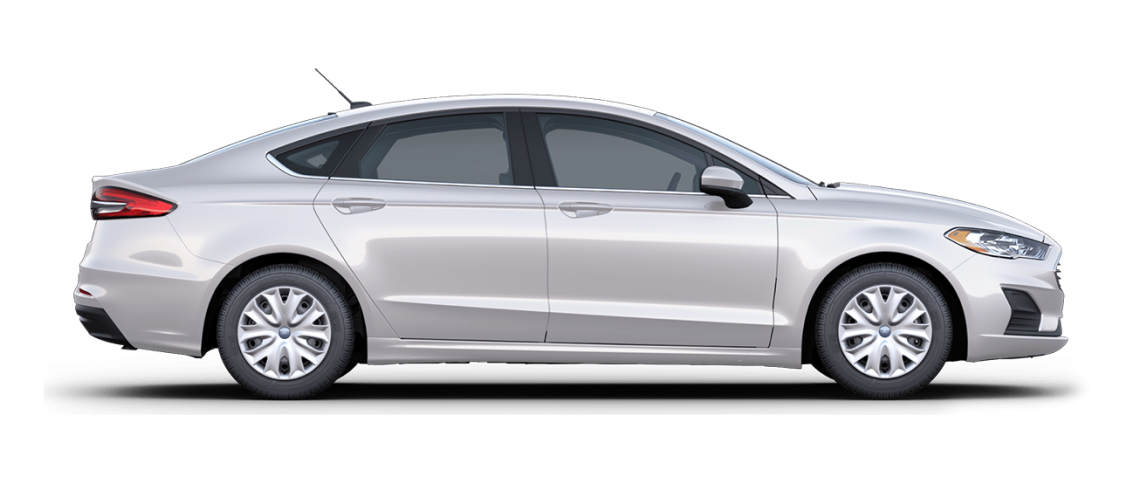
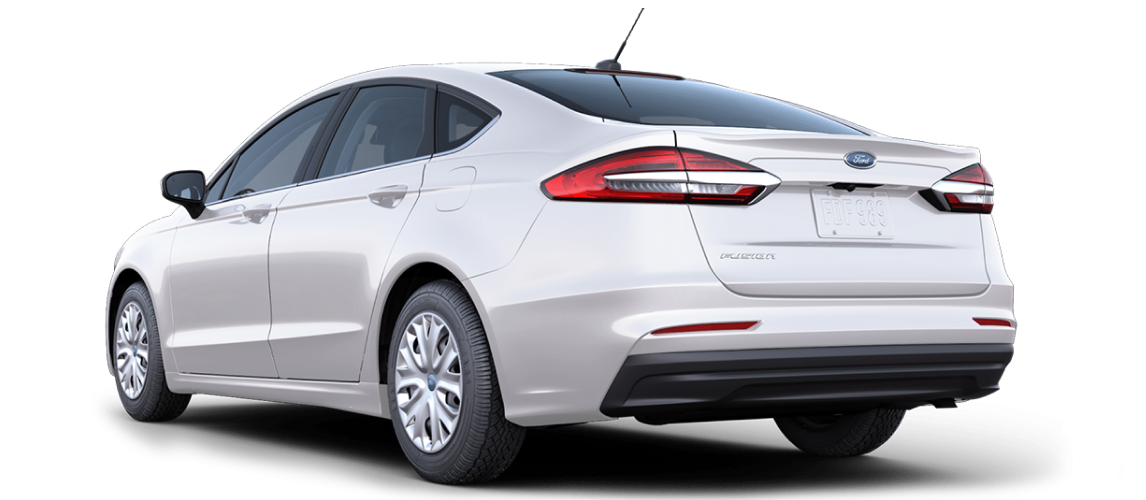
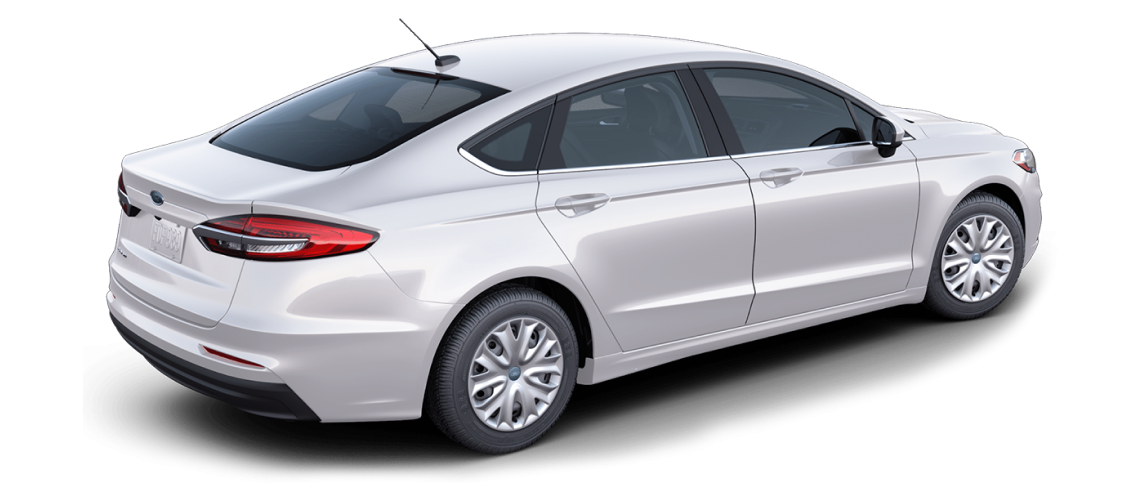
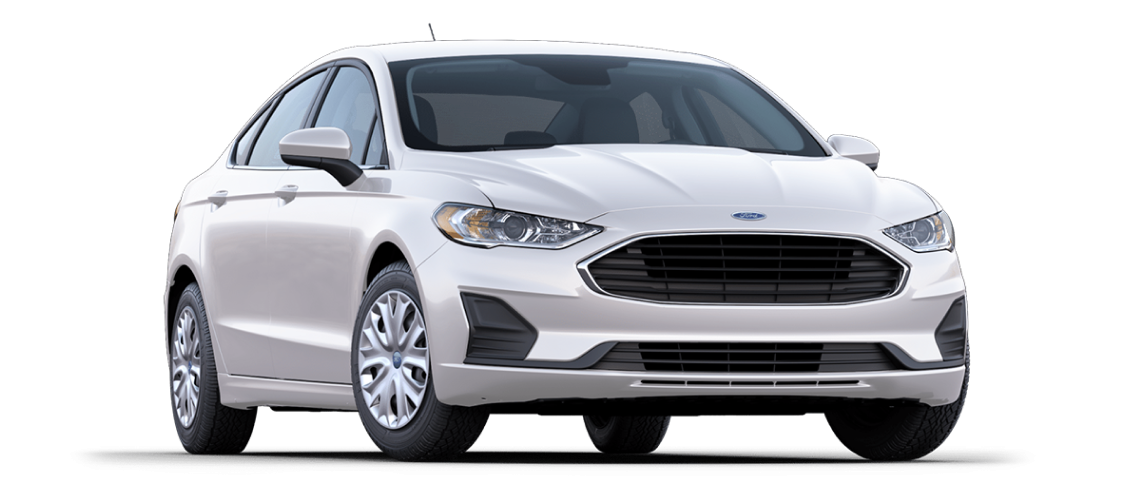
Specifications of Ford Fusion Hybrid II (facelift 2018) 2.0 (188 HP) Atkinson Hybrid eCVT
General characteristics of Ford Fusion Hybrid II (facelift 2018) 2.0 (188 HP) Atkinson Hybrid eCVT
The Hybrid variation of the Fusion measures almost identically to the gasoline variant, with only the height and curb weights differing. Both variants measure the same 191.8 inches in length and 72.9 inches wide excluding the mirrors. The only difference between it and the gas version is in height and weight; while the hybrid measures 58 inches, the gasoline model measures 0.2 inches taller. A curb-weight of 3,668 lbs is shared across the Hybrid lineup, which is around 200 lbs heavier than the gasoline variant, with its 3,472-pound figure.
The Fusion Hybrid's 2.0-liter inline-four Atkinson cycle engine developing 141 hp and 129 lb-ft of torque is augmented by an 88 kW electric motor to generate peak combined outputs of 188 hp. These outputs are dealt solely to the front wheels via a continuously variable automatic transmission, a standard among hybrids. Accelerating from a standstill to 60 mph takes a casual nine seconds, which - though average for the class - is roasted by the Toyota Camry's 7.5-second 0-60 mph sprint. The electrified torque nevertheless makes for solid off-the-line acceleration; the go-pedal does require some heavy-footed input to get the hybrid on the move, whether pulling away from a stop or overtaking at speed. But as a whole, the Fusion Hybrid is easy to drive around the low to mid-speed range. The CVT feels well suited to the powertrain too - it's nothing special, but is as seamless as it should be. Avoid high-speed jaunts on the highway, though, as the powertrain struggles at higher speeds.
With both the hybrid electrical vehicle and plug-in hybrid Fusion (HEV and PHEV) featuring a battery pack on board, instead of the 16 cubic feet of trunk room the gasoline Fusion offers, the HEV offers a mere 12 cubes instead. That's only really enough room for a couple of school bags and duffels, and perhaps your briefcase and a small shopping bag. The rear seats do, however, still fold in a 60/40 split, which expands room and versatility, but with a large step nearing the rear of the trunk, a result of awkward battery packaging, storage versatility is still compromised.
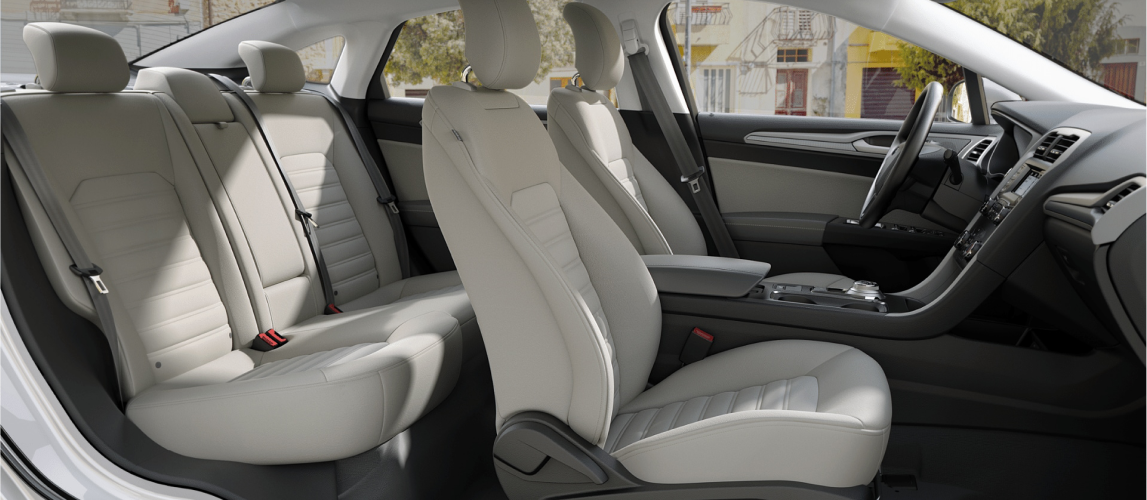
As for in-cabin stowage, there are dual cupholders in the front and rear, door side pockets on all doors that don't hold bottles, a moderately sized center console cubby, and a typically sized passenger-side glove box.